Over 1 Million members trust Hinge Health, a digital clinic that provides access to virtual physical therapy, to address their joint and muscle pain.
Reduction in member pain
of licensed physical therapists and health coaches
Average star rating of the Hinge Health mobile app
Bailey JF, et al. Digital Care for Chronic Musculoskeletal Pain: 10,000 Participant Longitudinal Cohort Study. J Med Internet Res 2020;22(5):e18250.
Migraine aura causes temporary changes in vision, sensation, or speech before or during a migraine. Learn what causes it and what to do when it starts.
Available at $0 cost to many members
If you’ve ever glanced at your computer screen and seen a shimmering, zigzag pattern, or if you’ve noticed a tingle in your hand that gradually creeps up your arm, you may have wondered what was going on. You’re far from alone, and one possible explanation is migraine with aura.
A migraine aura involves temporary changes in vision, sensation, or speech that can happen before or during a migraine headache. Some people even experience aura without any headache at all. While these symptoms can be unsettling, migraine aura is usually short-lived, and there are ways to manage symptoms and feel more prepared when an episode occurs.
Understanding your symptoms, finding strategies that work for you, and building healthy habits — including a regular movement routine — can help you feel more in control so you don’t have to put your life on hold because of migraine.
Here, learn what migraine aura feels like, what causes it, and what to do when symptoms start, with tips from Hinge Health physical therapists.
Reviewed by our clinical and medical experts


Fully covered migraine care
Find relief from migraine pain and more
What is a migraine aura?
Migraine aura refers to temporary neurological symptoms that can occur before, during, or occasionally after a migraine headache. Aura affects roughly one-quarter to one-third of people who experience migraine.
Most commonly, aura affects your vision, causing flashing lights, zigzag patterns, or blind spots. But it can also cause tingling, numbness, or difficulty finding words.
Aura symptoms usually develop gradually over several minutes and last between 5 and 60 minutes. They typically resolve completely, although some people experience more than one symptom in succession.
Not everyone who experiences migraine has aura, and not every aura is followed by a headache.
What does a migraine aura look and feel like?
Migraine aura can feel different from person to person. Some people notice visual changes, while others experience unusual sensations or difficulty speaking.
“Signs of a migraine aura usually build gradually over five to 20 minutes, tend to repeat consistently episode to episode, and often resolve within an hour,” says Nicholas Mercer, PT, DPT, a Hinge Health physical therapist.
For example, you might notice a small shimmering spot in your vision that gradually expands into a zigzag pattern. Or tingling may begin in your fingers and slowly spread toward your face. While these symptoms can be distracting and jarring, they usually fade as the episode progresses.
Types of migraine aura
Migraine aura can affect different senses and functions. Here are the main types and what they may feel like.
Visual aura. The most common type, visual aura, can cause flashing lights, shimmering zigzag lines, blind spots, or temporary changes in vision. These changes typically affect the visual field of both eyes, even if they seem more noticeable on one side.
Sensory aura. You may experience tingling or a pins-and-needles sensation that starts in your hand and gradually spreads up your arm or toward your face. Numbness may also follow.
Speech or language aura. Some people temporarily have trouble finding the right words, speaking clearly, or understanding language.
Motor aura. In rare cases, a type of migraine called hemiplegic migraine can cause temporary weakness on one side of the body. Because weakness can also be a sign of stroke, be sure to get emergency medical attention if this occurs.
Other neurological symptoms. Certain less common migraine aura subtypes may involve symptoms such as dizziness, double vision, or ringing in the ears. These symptoms can also have other causes and warrant medical evaluation.
It’s possible to experience more than one aura symptom during an episode. Because these symptoms can also have other causes, don’t assume new or unfamiliar symptoms are migraine. Contact a healthcare professional for guidance, and seek emergency care for sudden symptoms such as new weakness or trouble speaking.
Silent migraine: aura without headache
You might associate migraine with a throbbing headache, but an aura doesn’t always lead to head pain. When aura occurs without a headache, it’s sometimes called a silent migraine or typical aura without headache.
You may experience the same temporary visual changes, tingling, or other aura symptoms, only without the headache that typically follows.
If you’re experiencing these symptoms for the first time, be sure to get checked out by a healthcare professional as soon as possible rather than assuming they’re migraine-related. Other conditions, including stroke and transient ischemic attack (TIA), can cause similar symptoms.
What causes migraine aura
Migraine aura is thought to involve a temporary wave of changes in electrical activity that moves across the surface of the brain. This process is called cortical spreading depression.
“As it moves across different regions, it briefly changes how the brain handles vision, sensation, or speech, which is why you may see zigzags, feel tingling, or lose words,” says Dr. Mercer.
Because this activity spreads gradually, aura symptoms often develop and change over several minutes rather than appearing all at once. Most aura symptoms last between five minutes and one hour and resolve completely.
Typical migraine aura isn’t generally associated with permanent neurological injury, although research suggests that migraine with aura is associated with a modest increased risk of ischemic stroke.
What triggers migraine with aura
Migraine with aura often occurs due to an external trigger, such as stress, changes in sleep and eating habits, sensory input like bright light or screen time, certain foods and drinks, and hormonal shifts.Triggers vary from person to person. Common triggers include:
Stress. Emotional or physical stress, or even the period after a stressful event, may contribute to migraine episodes.
Changes in sleep. Getting less sleep than usual, sleeping longer than normal, or changing your sleep schedule can trigger migraine symptoms in some people.
Skipping meals and dehydration. Going too long without eating or drinking enough fluids may make migraine episodes more likely.
Bright or flickering light. Intense sunlight, flashing lights, or certain lighting environments may trigger symptoms in some people. Note: Light sensitivity can also be an early migraine symptom rather than a trigger.
Long screen sessions. Extended screen use may aggravate discomfort for some people, particularly if they're already sensitive to light. Screen time itself isn’t a universal migraine trigger.
Certain foods and drinks. Alcohol and changes in caffeine intake can be associated with migraine episodes. Food triggers are highly individual, and cravings or sensitivities may sometimes be early migraine symptoms.
Hormonal shifts. Research shows that migraines are more common in women than men. One possible explanation for this is shifts in estrogen levels around menstruation, pregnancy, postpartum, or perimenopause may influence migraine patterns.
“Learning your triggers can help you avoid them, which may reduce the frequency and severity of migraine and aura episodes,” says Dr. Mercer.
What to do when migraine aura starts
When familiar aura symptoms begin, having a simple plan can help you feel more comfortable and prepared. For someone with an established migraine diagnosis and a typical aura pattern, these simple strategies may help:
Find a safe, comfortable place to rest. If you’re driving or doing something that requires clear vision and concentration, stop safely until your symptoms resolve. “It can help to find a dark, quiet place to rest in the meantime,” says Dr. Mercer.
Drink water and have a snack. Staying hydrated and eating regularly can support your overall migraine management, especially if skipping meals or dehydration tends to contribute to your symptoms.
Try gentle breathing. Slow, comfortable breathing may help you manage the stress or anxiety that can accompany an aura. Dr. Mercer recommends diaphragmatic breathing as one way to relax during an episode.
Use tools that help you feel comfortable. A cool compress, dim lighting, or noise-canceling headphones may help if you’re sensitive to light or sound.
Follow your migraine medication plan. “Ask your healthcare provider when to take it, since timing varies by medication,” says Dr. Mercer.
Manage headache pain if it follows. Over-the-counter medications such as ibuprofen (Advil, Motrin), naproxen (Aleve), or acetaminophen (Tylenol) may help with migraine headache pain. Check with your healthcare provider about which medications are safe and appropriate for you, and avoid using acute pain medications more often than recommended.
Did you know?
Physical therapy (PT) is for more than just recovering from surgery or injury. It’s one of the top treatments for joint and muscle pain. It helps build strength, improve mobility, and reduce pain. And it doesn't always need to be in person.
Hinge Health members can conveniently access customized plans or chat with their care team at home or on the go — and experience an average 68% reduction in pain* within the first 12 weeks of their program. Learn more*.
Managing and preventing migraine with aura
While you can't always prevent migraine aura, there are steps you can take to reduce migraine episodes, manage symptoms, and feel more confident in your daily routine.
Notice your patterns. Keeping a migraine diary can help you identify possible connections between episodes and factors like sleep, meals, stress, or hormonal changes. You don't need to track every detail — focus on information that helps you and your healthcare provider understand your symptoms.
Build consistent daily habits. Getting regular sleep, eating balanced meals, staying hydrated, and finding ways to manage stress can all support migraine management. “For instance, you could keep a healthy snack and your migraine medication on you when you go to work or school,” says Dr. Mercer.
Keep moving. Regular physical activity can be an important part of migraine management. Activities like walking, swimming, cycling, or gentle strengthening exercises may help reduce migraine frequency and improve overall well-being. Start with activities you enjoy and gradually build up at a pace that feels comfortable. You don't need to exercise through an active migraine episode.
Make time for relaxation. Breathing exercises, mindfulness, and other relaxation techniques may help you manage stress and feel more comfortable when symptoms arise.
Ask about preventive treatment. If migraine episodes are frequent, disruptive, or changing, your healthcare provider can discuss preventive medications and other evidence-based treatments that may help reduce their frequency.
Review your birth control options. Migraine with aura is associated with an increased risk of ischemic stroke, and combined hormonal contraceptives containing estrogen are generally not recommended for people with migraine aura. If you use or are considering hormonal birth control, talk with your healthcare provider about safer options.
Consider complementary therapies. Some people find approaches like acupuncture or massage helpful for managing migraine-related discomfort or stress. These can complement, not replace, evidence-based migraine care.
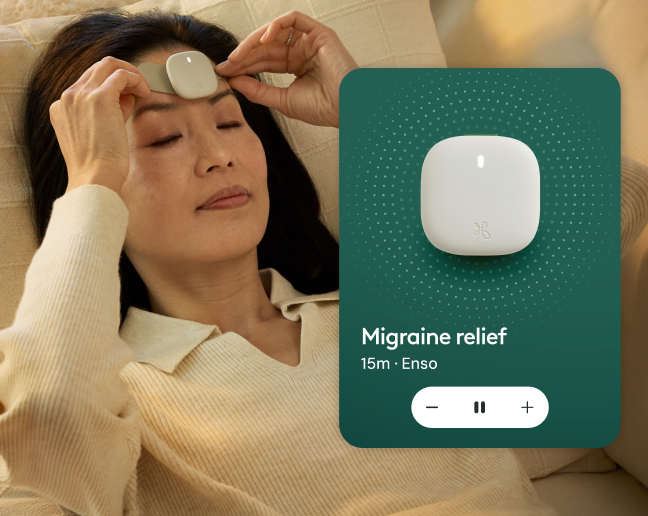
Try Enso for Migraine. TENS, or transcutaneous electrical nerve stimulation, uses gentle electrical pulses to help relieve pain. Not all TENS devices are safe to use for migraine — only use a device specifically designed and configured for migraine on your head. Enso for Migraine is a small, wireless, portable wearable option available through Hinge Health.
When to see a doctor
Migraine aura symptoms are usually temporary, but some can resemble signs of more serious conditions, including stroke. Seek emergency medical care if you experience:
Sudden vision loss or new visual changes, particularly in one eye
New weakness or numbness on one side of your body
Sudden difficulty speaking, understanding others, or confusion
A sudden, extremely severe headache
New neurological symptoms that appear abruptly rather than developing gradually
First-time aura-like symptoms that could represent a stroke or TIA
Don’t wait to see whether these symptoms go away. Even symptoms that resolve quickly can require emergency evaluation. Make an appointment with your healthcare provider if:
Your migraine aura symptoms are becoming more frequent or changing
An aura symptom lasts longer than an hour, even if it has resolved by the time you seek advice
Migraine is interfering with work, sleep, exercise, or other everyday activities
You have questions about migraine treatment or contraception
A healthcare provider can help confirm the cause of your symptoms and work with you on a treatment plan that fits your needs.
PT tip: Build your own migraine aura toolkit
When an aura hits, the last thing you want to do is frantically figure out how to manage it. A little preparation can go a long way. Dr. Mercer recommends creating a simple migraine toolkit you can bring with you when you’re away from home. “Think about what helps you during an aura episode, whether that’s a water bottle, snack, or medication, and keep it on hand as much as possible to reduce stress during an episode,” he says.
How Hinge Health can help you
If migraine is affecting your quality of life, you can get the relief you’ve been looking for with access to migraine care, virtual physical therapy, and more with Hinge Health.
We offer a comprehensive program that helps you manage symptoms and delivers rapid relief of migraine pain in minutes with Enso for Migraine, an FDA-cleared wearable pain relief device. You’ll also have access to therapeutic exercises that help relieve migraine pain and personalized support from our care team designed to help you feel more in control of your symptoms.
The best part: You don’t have to leave your home because our program is digital. That means you can easily get the care you need through our app, when and where it works for you. See if you qualify for Hinge Health and confirm free coverage through your employer or benefit plan here.
This article and its contents are provided for educational and informational purposes only and do not constitute medical advice or professional services specific to you or your medical condition.
Looking for pain relief? Check if your employer or health plan covers our program.
Join more than 1.2 million members and over 2,800 companies that trust Hinge Health to get relief.

Related articles
If anxiety has ever made you feel tired, you’re not alone. Learn how it can contribute to fatigue, plus simple ways to boost your energy.
Read more
Learn how to stay motivated to workout with practical tips from health coaches. Find out how to boost your exercise motivation and stay consistent.
Read more
Lower back pain after a workout? Learn common causes, how long it lasts, and effective remedies and stretches recommended by Hinge Health physical therapists.
Read more
Learn more about spondylosis, or age-related arthritis of the spine, what causes it, and how to treat it with tips from physical therapists.
Read more
Learn how movement and physical therapy helps treat a torn meniscus and get recommended exercises from physical therapists.
Read moreReferences
- 1Shankar Kikkeri, N., & Shivaraj Nagalli. (2024, February 29). Migraine with aura. StatPearls Publishing. Ncbibooks. https://www.ncbi.nlm.nih.gov/sites/books/NBK554611/
- 2Joppeková, Ľ., Pinto, M. J., da Costa, M. D., Boček, R., Berman, G., Salim, Y., Akhtanova, D., Abzalbekova, A., MaassenVanDenBrink, A., Lampl, C., & European Headache Federation School of Advanced Sciences (EHF-SAS) (2025). What does a migraine aura look like?-A systematic review. The journal of headache and pain, 26(1), 149. doi:10.1186/s10194-025-02080-6
- 3Cutrer, F. M. (2026). Pathophysiology, clinical manifestations, and diagnosis of migraine in adults. In J. W. Swanson (Ed.), UpToDate. Wolters Kluwer.
- 4American Headache Society. (2024, September 7). Migraine with aura. American Headache Society. https://americanheadachesociety.org/resources/primary-care/headache-topics/migraine-with-aura
- 5Zhang, S., Liu, H., & Shi, T. (2022). Association between migraine and risk of stroke: A systematic review and meta-analysis. Neurological Sciences : Official Journal of the Italian Neurological Society and of the Italian Society of Clinical Neurophysiology, 43(8), 4875–4889. PubMed. doi:10.1007/s10072-022-06074-z
- 6Cohen, F., Brooks, C. V., Sun, D., Buse, D. C., Reed, M. L., Fanning, K. M., & Lipton, R. B. (2024). Prevalence and burden of migraine in the United States: A systematic review. Headache, 64(5). doi:10.1111/head.14709